Four Conditions for Seeing Things Clearly
- Share
- publisher
- Katherine Zhang
- Issue Time
- Sep 11,2026
Summary
Four practical principles for indoor play park operators: excel at one core strength, learn from hardship, reserve time for reflection, and dare to say no. Build a sustainable family entertainment venue with clear business judgment.
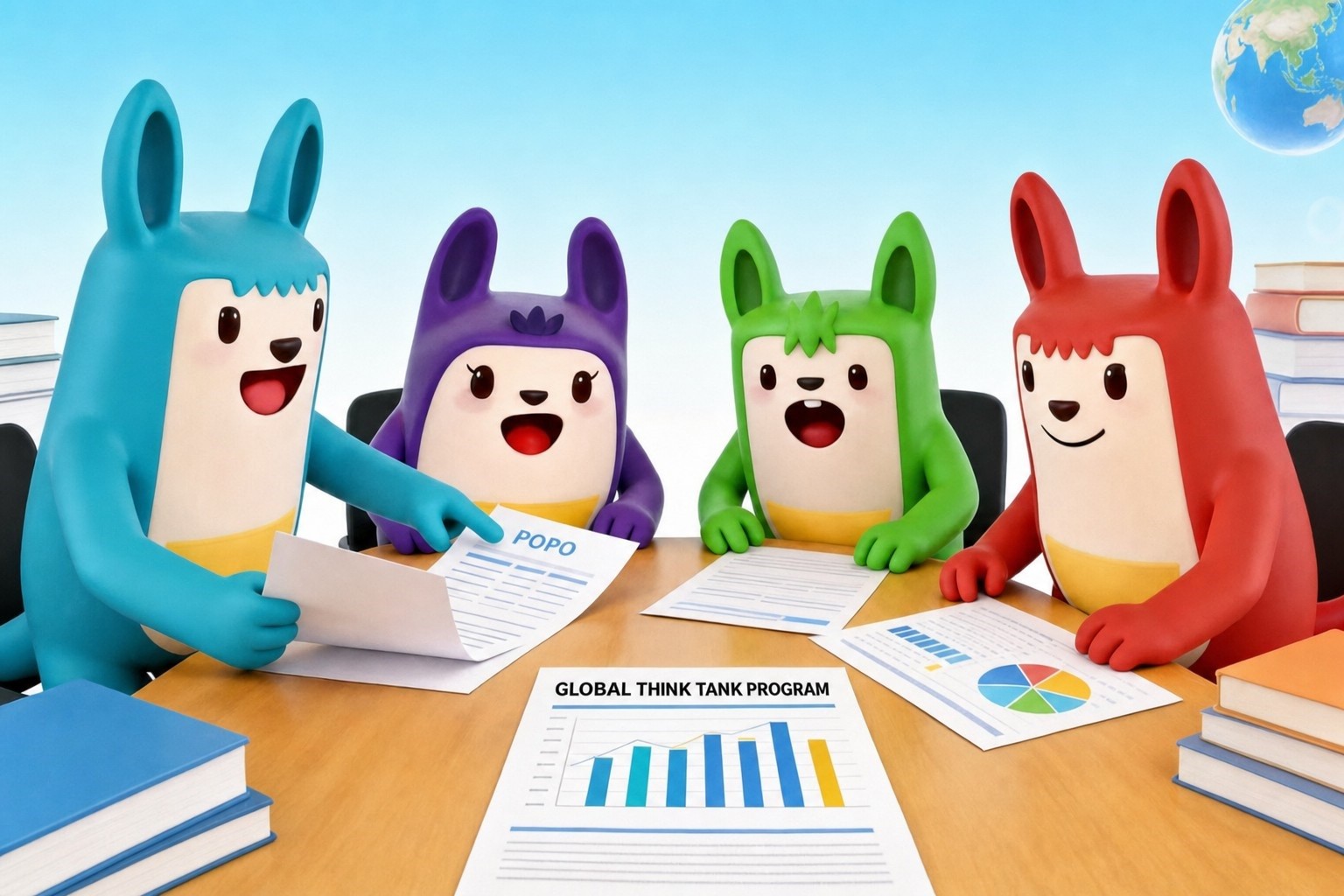
I came across a passage recently about why most people find it hard to see things clearly — to make sense of their situation without the internal friction that makes everything feel heavier than it is. The original text used a more elevated word for that state, but the plain meaning is simply: you see things as they are, and you are no longer at war with yourself.
The passage proposed four conditions for reaching that state. Reading through them, it seemed to me that they describe good operators as accurately as they describe contented people. What follows is how those four conditions tend to show up in the indoor play business.
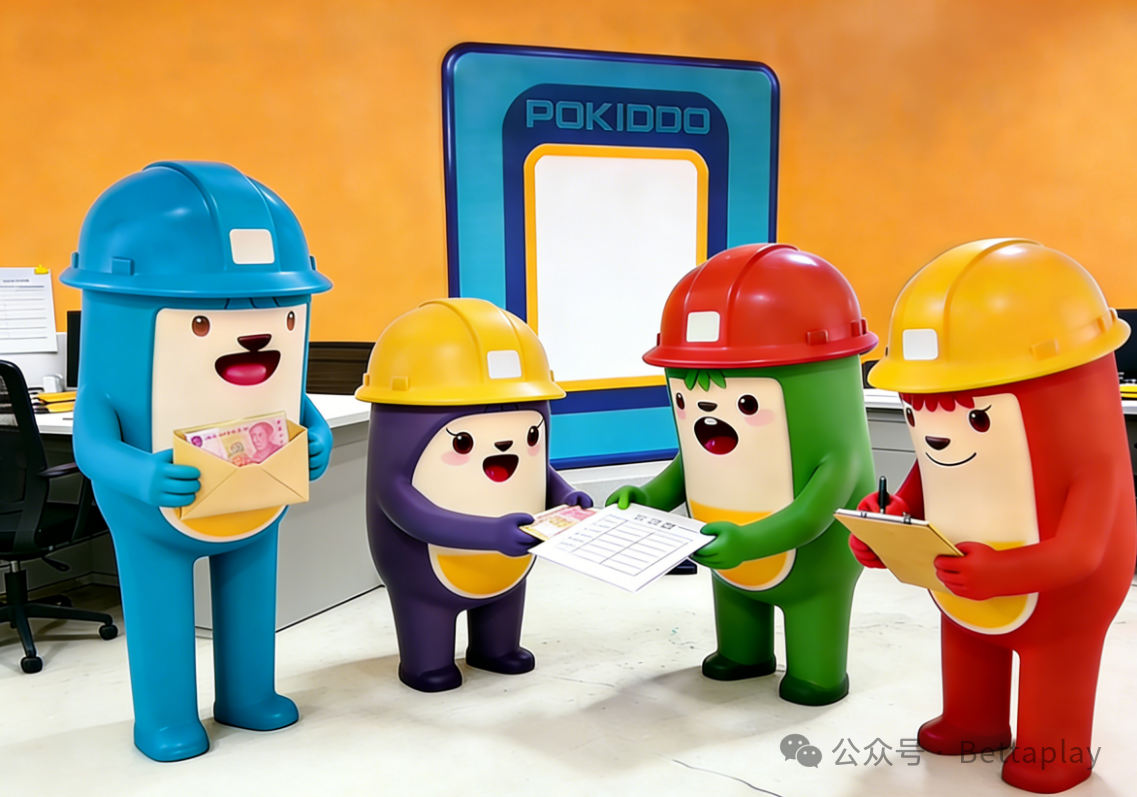
Condition One: Do One Thing Exceptionally Well
The first condition is concentrated attention — taking a single thing far enough that it approaches excellence, rather than spreading yourself evenly across many things and reaching competence in none.
Operators ask me often how to make a venue succeed. My answer usually turns the question around: which one thing do you want to be best at? The most entertaining equipment, the most reassuring experience for parents, the warmest service, measurable progress for children, the deepest activity calendar, the liveliest parties? Nobody manages to be first in all of them, and nobody needs to. What a venue needs is one thing customers mention when your name comes up.
One partner venue illustrates this better than any argument. Its location is unremarkable and its equipment is not the newest in town, but its party hosts are exceptional. Every child who holds a birthday there receives a handwritten card noting what the child enjoys and how they behaved that day. Parents are moved by it. They recommend the venue to everyone they know.
Do one thing exceptionally well and customers remember you. The same holds outside business: identify the one thing you genuinely want to do well, do it thoroughly, and a surprising number of lesser worries simply stop mattering.
Condition Two: Difficulty Is the Most Effective Teacher
The second condition is difficulty. People are rarely persuaded by argument; they are awakened by experience. The moments that hurt most are frequently the ones that teach most.
Nobody wants to suffer, and I would not pretend otherwise. But looking back, the periods that produced real growth were almost always the uncomfortable ones.
I know a park owner who lost significant money for two years running. He described lying awake at night and watching his hair thin, and then, during that same stretch, finally understanding something: he had been busy without direction, and had never properly worked out what his customers actually wanted. He repositioned the venue from "a bit of everything" to a specialist program in physical training for children aged three to six. A year later his revenue had doubled.
Some roads only get found after you have been hurt on the wrong one. The experiences that cost you something tend to be the ones worth keeping.
Condition Three: Make Room to Stop and Think
The third condition is leisure — genuinely having time to think. For owners and managers this is the scarcest resource of all, because the job never stops generating tasks.
The most common affliction among park operators is being too busy. Busy watching the floor, busy handling complaints, busy chasing new customers — busy enough that there is no room left to ask what all the busyness is for.
One practice worth trying: once a quarter, the manager takes half a day off, leaves the phone behind, and sits alone with three questions. What did we get right this quarter? What could have gone better? What is the single most important thing next quarter? That half day, in my experience, returns more than a month of unfocused effort.
Plenty of people move quickly. The ones who last tend to stop periodically and check the direction. Do not let busyness quietly take away the time you need to think.
Condition Four: The Courage to Refuse
The fourth condition is nerve — the willingness to question what "everyone says" and to decline requests that do not fit, including requests from people close to you. This one is the hardest, in business as anywhere else.
Run a park and advice arrives from every direction. A friend suggests adding an arcade. A family member suggests keeping it simple. A long-serving employee explains that this is not how things used to be done. Not every suggestion deserves to be followed. You need your own judgment.
We watched one manager face exactly this. His owner wanted a deep-discount promotion to pump up the numbers. The manager thought it through and told him no: customers acquired through the lowest price do not stay, and the brand pays for it afterwards. The owner listened. Three months later, the competitor running aggressive promotions had closed, and this venue was still standing.
Saying no while others say yes takes conviction. But without that conviction, the business may never grow into anything of its own.

In Closing
Seeing things clearly sounds like a lofty goal, but these four conditions are practical enough to try. Do one thing exceptionally well. Let difficulty teach you rather than defeat you. Protect time for reflection. And when it matters, find the nerve to say no.
That applies to running a park, and it applies to the person running it. The people who build lasting things are not always the most talented in the room. More often they are the ones willing to do unglamorous work, carry responsibility when it lands on them, think before acting, and turn down what does not fit.
What This Means for Anyone Building a Venue
The four conditions translate into fairly concrete decisions when you are planning a park. Someone investigating how to start a trampoline park will find a large volume of advice available, and the first condition is choosing which single dimension of the experience you intend to own. The indoor trampoline park design should express that choice rather than assembling every available attraction; clarity of concept is usually worth more than sheer quantity. Trampoline park equipment selection follows from the same decision, and in our experience the venues with a defined specialty tend to hold their customers longer than the ones competing on variety alone.
The second condition applies to the trampoline park cost model as much as to anything in the business: an optimistic projection that ignores local conditions is a lesson that will be taught anyway, later and more expensively. The third applies to the review habits good operators keep, whatever tools they use. And the fourth, by our own admission, is the hardest for us as well — it means being honest when a trampoline park franchise cost structure or a potential trampoline park manufacturer partnership is not the right fit, even when the client is ready to sign. As a trampoline park manufacturer that operates its own venues, we have learned that saying so has cost us deals and earned us partnerships that lasted.
Do the one thing well, and let time do the rest.